Buying Hemp Gummies in Australia: What You Need to Know
Understand Australian hemp product labels, seller identity, advertising claims and the practical checks that help identify misleading listings.
Exploring hemp products can be an enjoyable way to learn about plant-derived ingredients and the different formats available. For Australian readers, clear product information makes the experience more straightforward. This guide explains how to identify the formulation, understand its packaging and establish the business behind a listing.
Looking for the official product website?
Explore the featured products our team has purchased and reviewed. The product photographs help you recognise the packaging. These are affiliate referrals; we may earn a commission.
Vital Hemp Gummies
Explore the product packaging and current information from the brand website.
Visit Official Product Website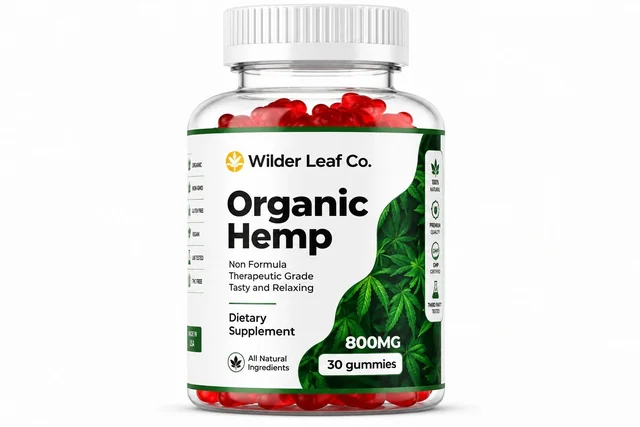
Wilder Leaf Organic Hemp
Explore the product packaging and current information from the brand website.
Visit Official Product WebsiteOur team purchased and inspected the featured products and compared their packaging and declared ingredients with the published information. Affiliate disclosure.
Identify the product category
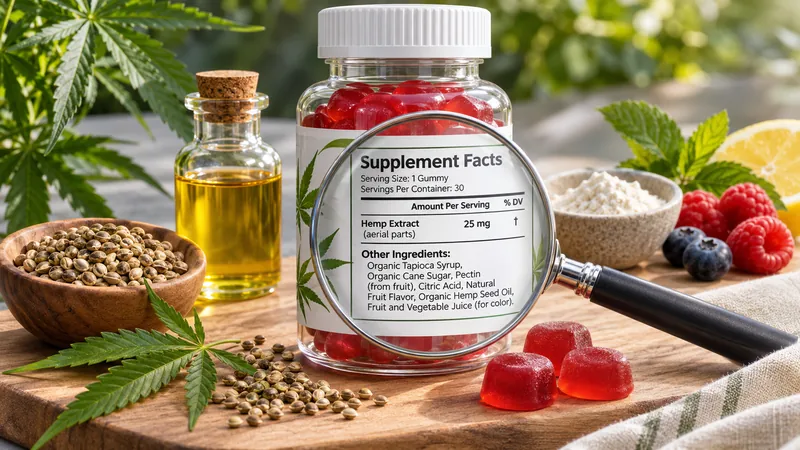
Find the full ingredient declaration, not just the name on the front of the jar. Hemp seed oil describes an oil made from seeds; an unspecified hemp extract is a different description and may require clarification. For more context, read our comparison of hemp and CBD gummies.
Australian food standards permit certain hemp seed foods subject to conditions. The existence of industrial hemp cultivation or an overseas product listing does not establish the legal status of a finished gummy in Australia. Therapeutic claims also raise separate regulatory questions.
Recognising genuine product information
Check that the name, label, ingredient list and supplier information agree across the materials you are reading. A familiar logo or a professional website can be copied. Product imagery and a secure HTTPS connection are useful context but do not by themselves establish authenticity.
What a meaningful label should tell you
- The actual hemp ingredient, rather than a general botanical slogan.
- The complete ingredient list and allergen information where applicable.
- The quantity of the relevant ingredient and the number of pieces in the pack.
- Supplier contact details, batch information and storage instructions.
Laboratory reports and organic claims
A certificate of analysis is useful only when it relates to the product and batch in question. Check the date, the laboratory identity, the test methods and the units used. A report that merely shows a result below a detection limit should not be treated as proof of absolute absence. An organic claim is a separate matter and does not establish a product's clinical effectiveness.
Finding official product information
For readers looking for official product information, our coverage includes Vital Hemp Gummies and Wilder Leaf Organic Hemp (affiliate links). Compare the seller’s details and product label with the brand’s official information; a brand name alone does not establish a particular formula or authorisation. Our editorial method separates documented product information from seller marketing. Where a seller or its product cannot be verified, we do not present a referral as an official source.
Spotting misleading offers
Look out for copycat domains, fabricated celebrity endorsements, pressure to pay immediately, subscription terms that are hard to find and claims that a product treats numerous unrelated conditions. An unexpected redirect may be a tracking link, but it should never be taken as proof of the seller's identity.
If you believe a website is impersonating a business, avoid providing payment or identity details. Scamwatch offers guidance on reporting suspicious websites and what to do if you have already shared information.
Questions Australian readers ask
How can I recognise the original product packaging?
Compare the brand name, bottle design and ingredient declaration with published product information. Our team has purchased and inspected Vital Hemp and Wilder Leaf products and compared the received packaging with the information we reviewed.
Does Hemp Gummies Australia handle orders?
We focus on product information and editorial assessment. External merchants handle purchases, delivery and returns. We may earn a commission through disclosed affiliate referrals.
What should I compare when a label displays milligrams?
Compare the named ingredient, whether the quantity refers to a bottle or serving, and the number of gummies. A higher number alone does not establish strength or quality.
Begin with the purchase you actually want to make
A shopper who already knows the brand name has a different problem from someone discovering hemp for the first time. The former needs to establish the identity of the listing; the latter needs enough information to decide whether the category fits their preferences at all. We approach these as separate questions. A polished landing page may be useful for browsing, but it is not a replacement for the packaging and the terms of sale. Before comparing deals, record the exact product name, the number of pieces in a container and the declared hemp ingredient. This gives you a stable reference if you encounter an advert with a different name or image later.
There is no need to treat shopping for a botanical product as a complicated technical exercise. A few ordinary checks make the process easier. Think of the label as the product's identity card and the order confirmation as the merchant's identity card. Both should tell a coherent story. A clear match between them is much more useful than a large number of generic promotional badges.
Our purchase and packaging review
Our editorial team has purchased the featured products through the websites we identify as their official sources and examined the products received. The packaging and ingredient declarations matched the product information we reviewed. We also take into account messages received from readers and our own research into public information. These are our first-hand editorial observations, not laboratory measurements or evidence of a medical benefit.
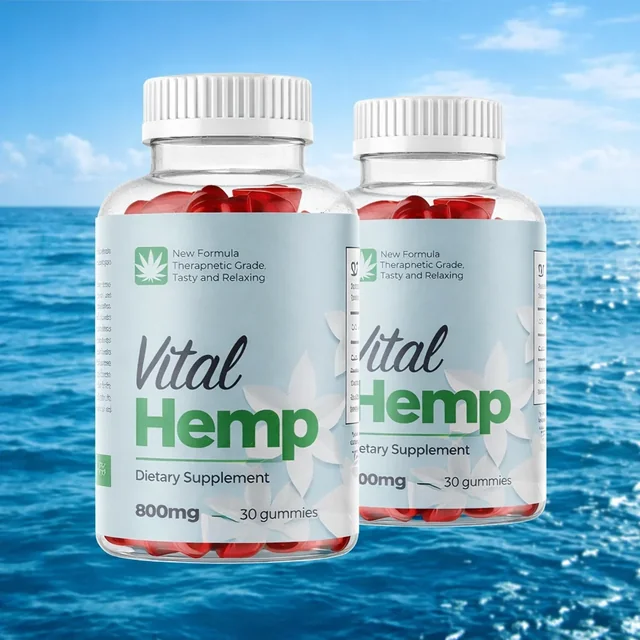
Two useful visual references are the Vital Hemp bottles with their pale blue branding and the Wilder Leaf Co. container with its white and green presentation. Both supplied front images display 30 gummies and an 800 mg marking. We do not interpret that marking as a quantity of CBD or as a verified amount per piece: its meaning depends on the complete declaration. The photo helps establish the appearance, not the chemical composition. If an apparent replacement listing uses a different count, a different manufacturer name or different units, that discrepancy deserves a closer look before treating the products as equivalent. Packaging redesigns can be legitimate, so a difference is a reason to investigate rather than proof of fraud.
A practical way to record an order
Keep the merchant name, product title, container count and total amount together in one note. If the checkout presents an optional bundle, record whether the offer is for one container or multiple containers. Take a screenshot of the selected offer and retain the order confirmation. This simple habit is useful for ordinary purchases as well as for the occasional situation in which a product description changes between browsing and delivery.
When comparing a listing with the item received, start with the information that should be stable: the named product, the package count, the printed ingredient declaration and the supplier information. Then note the variables that can change between production runs, such as lot codes and expiry dates. An order date is not the same thing as a manufacturing date. A photograph of the delivered parcel and its contents may help a merchant resolve a genuine discrepancy, but there is no reason to publish the customer's address or order number on a review website.
Compare the format rather than the largest number
Gummies have practical characteristics that people may appreciate independently of the hemp ingredient. They are preformed, portable in their original closed packaging and familiar in texture. Some people prefer an oil, others a capsule, and others enjoy a chewable format. There is no universal winner among these presentation styles. A person who wants to avoid a particular gelling agent might prioritise that ingredient over the front-of-pack number; a person comparing two differently sized containers may pay more attention to the number of pieces.
For an illustrative comparison, imagine a container costing A$60 with 30 pieces and another costing A$84 with 60 pieces. The first comes to A$2 per piece and the second A$1.40 before any additional charges. Those are invented examples for explaining arithmetic, not prices for our featured brands. A lower cost per piece still does not establish equivalent ingredients, quantity or quality. A meaningful value comparison starts by establishing that the items being compared belong to the same category.
What online product reviews can add
Reader emails can reveal issues that are hard to discover from a product description alone: an unexpected change in packaging, a confusing checkout, or a question about the identity of a seller. The editorial value of these messages is that they suggest what deserves further checking. They are not a clinical dataset and they cannot establish how every buyer will experience a product. We do not convert individual comments into invented star ratings or claim a representative satisfaction percentage without appropriate records.
When reading comments elsewhere, ask whether the writer identifies the exact item and version. A photograph of a jar, a description of its count or a clear account of the order experience is more informative for this purpose than a sentence that simply says a product is amazing. Equally, an unhappy comment about a delayed parcel should not be treated as evidence about the ingredients in a gummy. Keeping delivery, packaging and formulation observations separate makes the discussion fairer to readers and businesses alike.
Look beyond the advert to the merchant terms
An affiliate referral is a route to an external business, not a transaction with our publication. The merchant is responsible for the order, the payment and any applicable delivery or refund arrangements. Read the current terms on the destination website, including whether a purchase is a single payment or a recurring arrangement. Make sure the total shown is in the currency you expect and understand any separately displayed delivery charges. An offer that was available on a previous visit may no longer be available today.
For Australian consumers, the ACCC's online shopping guidance is a useful starting point for understanding the distinction between a seller's voluntary promises and applicable consumer rights. Keep contact details and written terms rather than relying on an advert that may disappear. A published refund period does not explain every possible situation, and consumer rights can depend on the circumstances of the transaction. Our role is to explain the questions to consider, not to settle disputes on behalf of a merchant.
Check a changed package without jumping to conclusions
Imagine that an image on a website shows a pale blue label but the delivered container has a different cap or a revised typeface. Start by comparing the full name and the supplier details with the records from the order. A legitimate packaging update may leave the underlying recipe unchanged, whereas an imitation may simply copy the most visible brand elements. Neither a similar colour nor a different colour resolves the question on its own. A dated confirmation from the supplier can be more useful than an undated picture circulating on social media.
The same principle applies to claims about certification. A symbol on a front label is a statement printed on packaging, not the supporting certificate itself. If a certification is important to your decision, identify who issued it and what it covers. A certificate for an ingredient may not apply to the entire finished product. Our own purchases inform our product identity assessments; they do not transform a packaging claim into a finding from an accredited laboratory.
A final buyer checklist for Australian readers
Before finishing your research, ask whether you can name the ingredient, identify the package, distinguish a total from a per-piece amount and identify the merchant. If those four things are clear, you have a much better basis for understanding the listing than a slogan alone provides. Check the applicable food or medicinal product category separately, because a brand may be genuine without every claim about it being appropriate in Australia. The relevant regulator is a better starting point for that question than a testimonial.
Our publication remains positive about the variety of hemp ingredients and formats. We also revise our featured selections when new information justifies a change. We welcome specific corrections, especially if they include a product version or a source that we can check. Readers can use the related ingredient guide to explore the label in more depth; there is no need to repeat all of that technical material in this buying guide. The purpose here is to make the process of comparing information clearer, more enjoyable and more grounded in the actual item.
Sources and further reading
- Food Standards Australia New Zealand — Hemp seeds as food
- Therapeutic Goods Administration — Access to medicinal cannabis products
- ACCC — Buying online
- ACCC — Online reviews for products and services
These resources provide further information on consumer, food and health topics.